|CONTACT|
FR|EN
CONTACT|
FR|EN

FOR A RESPONSIBLE AND INNOVATIVE RESEARCH

REPLACE


REDUCE


REFINE

FC3R is the French reference center for all 3Rs-related matters. It aims to support responsible use of animals for scientific research and to promote alternative and innovative methods.


The new call for FC3R projects: "Développer et renforcer les méthodes de remplacement" is open !
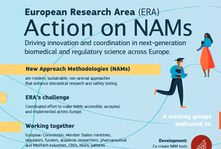
Take part in the ERA4NAMs survey to identify European training needs in relation to new methodological approaches (NAMs)

Opal Short Note Challenge!
The Opal will be awarded to the next 7 short notes

Next webinar on December 10, 2026

Méthodes non animales en France : quelles évolutions ?

🎥 Watch or rewatch the 2026 French 3R Day on replay!

EVENTS

27.11.26 Webinaire du Réseau Thématique Organoïdes Modeling Resistance to CDK4/6 Inhibitors Using Patient-Derived Breast Cancer Organoids En ligne

Intervenante : Ariella Hanker, Associate Professor au Simmons Comprehensive Cancer Center de l’UT Southwestern Medical Center (Dallas, USA) et co-directrice du Cancer Organoid Innovation Lab

30.11.26 webinar Culture of Care in Animal Research En ligne

Presentations of Fabienne Ferrara (ConScienceTrain) and Katharina Tillmann (Medical University of Vienna).

01.12.26 Journée Recherche FIMATHO Implants et organoïdes dans les maladies rares abdomino-thoraciques Paris, France

Cette journée pourra notamment intéresser les cliniciens ou les chercheurs travaillant sur les organoïdes, la bioingénierie, les dispositifs médicaux, les maladies rares et plus largement les technologies pour la santé.

NEWS

JABS: when AI supports the 3Rs

13.11.26

With its new JABS software, the Jackson Laboratory is paving the way for the 3Rs and robust research.

Applying the 3Rs principle to wildlife research

14.09.26

Through concrete examples drawn from her work, Hélène Gachot-Neveu demonstrates how the 3Rs principle can be applied in wildlife research.

Towards responsible management and a reduction in laboratory mouse breeding

09.07.26

What are the key levers for reducing the use of animals while ensuring the quality and sustainability of experimental models?