
Replay du webinaire du 12.03.26

Les modèles cardiaques tridimensionnels transforment notre capacité à étudier le développement du cœur et ses dysfonctionnements. Ce webinaire propose un parcours allant des organoïdes cardiaques murins auto-organisés, capables de reproduire des étapes clés de l’organogenèse et de modéliser des malformations congénitales, aux modèles cardiaques humains 3D dérivés de cellules souches pluripotentes induites (hiPSC), conçus pour l’analyse fonctionnelle et l’évaluation pharmacologique. Ensemble, ces approches illustrent comment les systèmes in vitro de nouvelle génération permettent de mieux comprendre la biologie cardiaque tout en ouvrant la voie à des applications biomédicales et translationnelles.
Partie 1 en français : Sébastien Sart - PhD, Chercheur Institut Pasteur Paris
Title: Self-organizing Murine Cardiac Organoids Towards Heart-on-chip and Modeling of Congenital Defects
Abstract: Congenital heart diseases (CHDs) are common birth defects, yet studying cardiac development in utero is limited, highlighting the need for advanced in vitro models. Here, we present a morphogen-free protocol to differentiate murine embryonic stem cells (ESCs) into 3D, functional, and spatially organized cardiac organoids (cardioids). Cardiac development was tracked via transcriptional profiling, and tissue structure, cellular heterogeneity, and spontaneous beating were assessed with 3D imaging. For CHD modeling, we used Greb1l+/tm1a ESCs to model crisscross heart malformations and Nodal inhibition to simulate heterotaxy. A droplet-based microfluidic platform enabled scalable, reproducible cardioid generation. Transcriptomics showed sequential activation of heart field markers, cardiomyocyte, epicardial, and endothelial genes, reflecting normal cardiac organogenesis. Self-activation of Wnt, Nodal, BMP, and p38-MAPK guided lineage commitment to myocardium-, endocardium-, and epicardium-like tissues. Imaging revealed organized structure, myofibrils, cavities, and rhythmic beating. Functional heterogeneity correlated with morphology, calcium transients, and marker expression. Cardioids derived from Greb1l-deficient ESCs showed lack of beating and impaired progenitor development, mirroring in vivo phenotypes. Nodal inhibition post-progenitor emergence recapitulated heterotaxy traits such as reduced differentiation, slower beating, and increased proliferation of cardiac progenitor cells. Finally, the integration of cardioid formation with microfluidics paves the way towards high-throughput studies, providing a scalable platform for mechanistic CHD research and drug screening.
Part 2 in English: Ana Rita Ribeiro & Cyril Cerveau - CEO - 4Dcell company
Title: Human-Relevant 3D Cardiac Assay: SmartHeart by 4Dcell
Abstract: This workshop introduces SmartHeart, a NAM-enabling technology developed by 4Dcell to make human-relevant cardiac in vitro models easier to run, scale, and trust. SmartHeart is an engineered, ring-shaped 3D human cardiac tissue built from hiPSC-derived cardiomyocytes and cardiac fibroblasts in a 96-well, glass-bottom format for high-resolution imaging and throughput. It integrates multiple key readouts in a single assay, including a 3-in-1 workflow to measure contractility, action potential, and calcium handling, supporting both efficacy and cardiotoxicity studies.
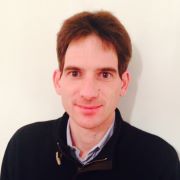
Sébastien Sart
Chercheur - Institut Pasteur Paris
Son profil linkedin
Sébastien Sart is a permanent scientist in the Laboratory of Physical Microfluidics and Bioengineering at the Institut Pasteur since 2020. He obtained his PhD in bioengineering from the Catholic University of Louvain (Belgium) in 2011. His research is interdisciplinary, combining stem cell biology, organoid engineering, microfluidic technologies and quantitative imaging. He investigates the generation of embryo-like structures to model early embryonic development. He is also developing cardiac organoids to study heart development and the emergence of congenital heart diseases in vitro, aiming to enable mechanistic studies and high- throughput screening. In addition to his research activities, he serves as president of BELSACT (Belgian Society of Animal Cell Technology), which brings together scientists from academia and industry in the field of animal cell technology and bioprocessing.

Ana Rita Ribeiro
CTO - 4Dcell CRO
Son profil linkedin
Ana Rita Ribeiro is the Chief Technology Officer (CTO) at 4Dcell, where she helps shape and execute the company’s R&D roadmap for human-relevant 2D/3D in vitro platforms that make advanced cell culture and organoid workflows more reproducible, scalable, and accessible. With a background spanning physics, optics, and microfabrication, she brings an engineering mindset to biology. At 4Dcell, she works closely with the scientific and engineering teams to advance the SmartHeart and SmartSphero technologies, supporting next-generation product development and the company’s innovation and IP efforts.
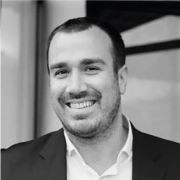
Cyril Cerveau
CEO - 4DCell
Son profil linkedin
Cyril Cerveau is a life sciences entrepreneur trained in cell biology and innovation management. He co-founded BforCure, a biodetection company serving defense, industrial, and medical sectors, and 4Dcell, a biotechnology company developing advanced human-based in vitro models through the control of the cellular microenvironment. As CEO of 4Dcell, he leads the company’s strategy, marketing, and business development, positioning innovative in vitro technologies for academic and industrial research to support predictive human biology and the reduction and replacement of animal testing.
 Retour